Showing posts with label Opinion. Show all posts

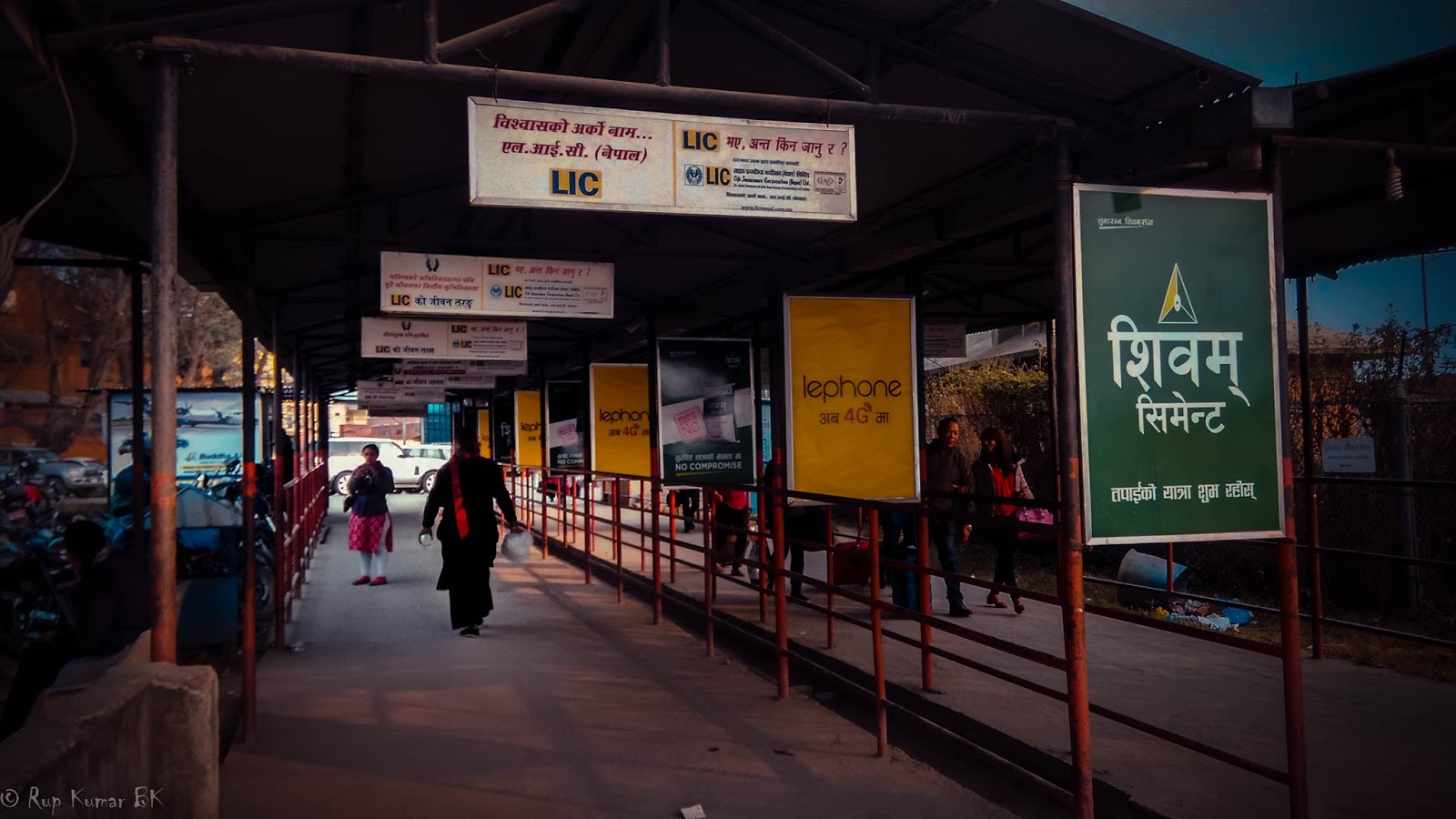
त्रिभुबन विमानस्थल: बोतल नयाँ रक्सि पुरानै


आजकल त्रिभुबन विमानस्थल को सरसफाई र ब्यबस्थापनको बारेमा संचारमाध्यम मा धेरै नै पढ्न र सुन्न पाइन्छ, विशेषगरी ब्यबस्थापन र सरसफाई को बारेमा।  विमानस्थल प्रवेश गर्ने जो कोहीलाई पनि झट्ट हेर्दा पक्कै लाग्छ, 'आहा, विमानस्थल ले त साँच्ची नै काँचुली फेरेछ '


एउटा प्रबुद्ध नेपालीलाई त्यहाँ प्रवेश गर्दा विमानस्थल ले जस्तै देशले पनि परिवर्तन ल्याउन सके कत्ति जाति हुँदो हो भनेर पक्कै पनि लाग्न सक्छ।   

तुलनात्मक रुपमा आजकल त्रिभुबन अन्तर्राष्ट्रिय बिमानस्थलको भौतिक भौतिक रुपमा भने प्रगति भएको देख्न सकिन्छ।  अर्थात् रेमिट्यान्स अर्थतन्त्रले ल्याएको सम्वृद्धिको झल्को विमानस्थल भित्र छिर्दा अलिकति भए पनि झल्किन्छ। पार्किङ्ग मा दुईपांग्रे र चारपाँग्रे सवारीसाधन लगभग बराबरीको संख्या मा देखिन्छन् ।  


बाटोमा हिड्दै गर्दा ट्रलीमा विदेश बाट आउने हरुले ल्याउने ठुला ठुला बट्टा का इलेक्ट्रोनिक्स का सामानहरु, प्राय जसो का हातमा झुन्डिएका ठुल्ठुला मोबाइल, डुब्लिकेट लाग्ने जस्तो भए पनि अन्तर्राष्ट्रिय ख्यातिप्राप्त ब्रान्ड का जुत्ता तथा कपडा हरु, अनि कक्ष भित्र खुलेका कफी सप को भिड हेर्दा प्रगति भएको आंकलन गर्न काफी छ।


तर यी सबै सुधारियाका भौतिक संरचना हरु का बाबजुत नेपाली पारा भने अझै जीवित देख्न सकिन्छ।  उदाहरण को रुपमा एल सी डी डिस्प्ले मा फ्लाइट को बारेमा अझै पनि सूचना अपुग नै छ।  कतिपय ठाउँ मा डिस्प्ले मा सर्भर नट कनेक्तेड लेखेको देखिन्छ। 

अझ बिशेष गरि त लगेज लिने ठाउँ को भिड अत्यन्त अव्यवस्थित देखिन्छ।  लगेज वितरण गर्ने कर्म चरिहरु त अब्यबस्थित थिए नै, उनीहरुले यात्रुहरुलाई लाइन मा टोकन लिएर आउन अनुरोध गर्दै थिए, तैपनि त्यो भिडका यात्रु हरु कसैलाई नसुनी ठेलमठेल गर्दै थिए।  लाग्दै थियो, विमानस्थल मा आफ्नै लगेज लिनु पनि लिगलिगकोट को दौड मा भाग लिनु जस्तो ! आफ्नै सामान पनि दौड जितेपछि अर्थात् भिड छिचोले पछि मात्रै पाउने। 

म त्यहाँ कुर्दै गर्दा पछाडी बाट खुशी हुँदै आएका विदेशीले भने 'ओह शिट्'  सायद उसलाई यो भिड मा गएर आफ्नो लगेज लिनु पर्ने बारेमा सोंचेका थिएनन् होला।  ति पाहुनाले अरु पनि धेरै कुरा भन्दै थिए, तर भिडको कोलाहाल ले गर्दा मैले सुन्न सकिन।  सुनेको भए पनि राम्रो पक्कै पनि थिएन होला। 

उसले बनाउने नेपाल प्रतिको धारणा बारे मैले अनुमान गरेँ।     


यो सबै देखेपछि अघि भर्खर बाटोमा विमानस्थल छिर्दै गर्दा महसुस गरेको सकारात्मकता मा एकचोटी जोड़ को झड्का लाग्यो। 

आखिर भौतिक उन्नतिले मात्र प्रगति नहुने रहेछ।  हुन त नेपाल अझै पनि धेरै ठाउँमा पुर्बधार हरु जोडजाम गर्नै बाँकी छ।  तैपनि जुनदिन सम्म ति पुर्बधार हरु खडा गरिसक्ने छौं, हामीले अर्को अध्याय हाम्रो आँफै भित्रको नेपाली लाई सभ्य व्यवहार सिकाउनु पर्ने छ।
    

Praiseworthy Black-marketing!

The black market is often disagreeable. However, if the basic necessities are only available through smuggling, black-marketing is desirable.


Shady dealings of vital supplies—medicines, cooking oils and petroleum—flourished in Nepal after some dissident political forces, especially Madheshis, started obstructing the country’s southern border. After the promulgation of Nepal’s new constitution, the people living in the towns bordering India felt that their demand of constituencies based on population, among other demands, are not met. 

The Madheshis, who have ancestral lineage with India, were also supported by the people from the neighboring Indian towns. They started protesting at the border when the government failed to address their concerns.
Surprisingly, the government of India also landed blockade, though unofficial, thereby restricting the movement of essential goods—foods, medicines, raw materials and petroleum—from entering into Nepal.   

The repeated failure of dialogue between the government and the Madheshis left the border shut for almost 4 months. While every dialogue was a disaster, peoples’ need were being skyrocketed. However, their demands were barely met. As an alternative, people descended to using firewood instead of cooking gas. Likewise, some started to ride on bicycles rather than using motorcycles.

Out of the mundane daily schedule of protesting, some people of the bordering towns—both in India and Nepal discovered an enticing activity of smuggling petroleum across the border. Their newly found cross-border adventure was not only rewarding, but also enticing as it could earn them money that could feed their hungry children. Unlike the protests that could end up claiming their lives, some wise people of the border choose to trade essential goods and petroleum, though illicit, from India to Nepal.


Now, gallons of petrol and diesel are seen everywhere in major towns across the country. They are not available in government controlled fuel centers. One has to stay for several hours of tiresome queue to get the tank refilled. However, at the black market one can easily get the fuel at any desired amount.

Furthermore, buses travelling through the bordering towns are seen to carry gas tanks, petrol or diesel gallons, and other essential goods. Their support has been of paramount importance to the fuel thirsty mid hill towns including the capital city, Kathmandu, of the country.

Although, the black market has soared the prices of some of the essential goods, people have not commented on thinking that those goods are, at least, being available.

The government of Nepal is still inconclusive on addressing the demand of Madheshis thinking that it will lead to the disintegration of the country. Now, it can neither let the illicit trade to foster nor can stop it from happening. At this juncture, only the black market is supplying enough fuel to run most of the vehicles throughout the country.

Sometimes, smuggling is worth praising for.   

The Making of God

Some people are really crazy. They've bizarre idea to show their love and devotion for somebody. They make temples of their loved ones, and make them God for worshiping. 

Developing world is characterized by feudal society laden with massive poverty and illiteracy where some elites want to grab power by using the people's trait of believing. People belive because there's no other option left for them. They've to believe in Karma which says that poverty and sufferings are the result of their past lives. It is an act of God. Their poverty and illiteracy make them belief, and even worship on whatever the local powerful ones tell them to do. 

Moreover, those elites are the ones who have created all those idols, Temples, Mosques and Churches. Since they make it, they're the authoritative agent to the powerful creature--the God. They're close to God, they say, so that they can rule over the rest of the masses. 

In an instance, cadres of Bharatiya Janta Party (BJP) made a temple of PM Narendra Modi in Gujrat in an attempt to prove them to be greater lover and devotee of the powerful Indian man. Those cadres build the temple of Mr. Modi so that BJP can be religiously institutionalized, and their cadres can get a permanent hold in the society. But, this shrewd man denied the temple from being built, saying that it is against the Indian tradition.  


However, majority of other notable Indian spiritual orators--who have declared themselves a God--are making their temples. It is not the first time a temple was made of a person in India. There are temples of Superstars Amitabh Bachchan, Rajanikant; and politician Sonia Gandhi. Moreover, there are many temples of modern day religious orators.   

Moreover, some people need God not to tighten their grip in power, but to hold them calm. They need something to hold on, to calm down, to carry on or to believe in, so that they're occupied. Besides, they also want to show other about their affiliation with the powerful one which they worship. As a result they've created God out of their mind and started worshiping. 

People make God to satisfy their own need. They create God either to show them strong, keep in top hierarchy in the society they live, make them closer to power, or keep them attached to something. 

Does Neutrality Prevent Intervention ?

Non Alignment Movement was created during cold war to safeguard its members from the intervention of USA or Russia, but it has failed to do so. 


The neutral status of Ukraine could not defend its sovereignty which forced it to join the western military pact—NATO. The Ukranian parliament voted to officially associate it with the stronger military force of the west, in a bid to save its sovereignty and territorial integrity from the invasion of stronger eastern neighbor. 


The middle-of-the-road position couldn't save Ukraine from the intervention of Russia. Non Alignment Movement (NAM) which was created at the height of the cold war in 1961, to counter the effect of western imperialism and Russian communism, is still campaign with 120 member states on board. But the alliance of almost two third of the world’s nations could not save Kiev from Kremlin’s unlawful intervention.

Now, the question arises. Is neutrality a threat to sovereignty, territorial integrity and peace of an independent nation?

Neutrality has fewer space in the current world order. The world is very much divided. When the world was divided into the aforementioned power blocs, some rich countries--Europeans and Baltic states were still their allies. Even after the fall of Russian empire, the world was almost unipolar with the US as the powerful polar star. However, the rise of China, India, Brazil and South Africa, and forming BRICS, including Russia, has made the world multi-polar. This signifies that countries are aligned towards their respective influential poles. Even the UN security council is deeply divided between cold war era power alliances, i.e. US (UK and France) and Russia (with China). 

At this juncture, especially the LDC and LLDCs are more vulnerable to encroachment from the old as well as new power blocs. India has still turbulent border dispute with its neighbors, especially Nepal, where SSB of India is often said to move border pillars. In addition, China's presence in the South China Sea is hostile for Vietnam, Indonesia, the Philippines, and Taiwan. 

Especially, after Ukraine joined NATO, the neutral path of two thirds of the countries of the world is in limbo. It has neither protected them from encroachment of the powerful, and the new powers are constantly emerging. As a result, neutrality has become the connotation of surrender.  


Religious Tourism: Are we doing enough?

The diverse cultural wealth of Nepal provides huge potential for religious tourism. Motivating domestic visitors and attracting pilgrims from neighboring countries is of great importance.  


Nepal’s rich cultural heritage offers an ample possibility for religious tourism. The population—enriched with several castes, ethnicity and nationality is a portrait of a great cultural legacy. The variety of societies is a great cultural wealth in itself. The harmony among culture is a pride. However, has Nepal ever been able to harvest the benefits from its rich cultural diversity? Is there any mechanism where we can sell our rich family tradition? Or have we ever harvested substantial gain from religious tourism?

So far, Nepal’s religious tourism has always been dependent on luck. As the religion is dependent on faith, the path of its development has remained reliant on destiny. As a resolution, religious tourism in Nepal is following a stunted growth.

Approximately 300 to 330 million pilgrims visit the world's key religious sites every year, reports the World Tourism Organization. Likewise, Americans traveling overseas for "religious or pilgrimage" purposes has increased from 491,000 travelers in 2002 to 633,000 travelers in 2005 (30% growth), estimates the U.S. Office of Travel and Tourism Industries. This image indicates that religious tourists are getting.

However, religious tourism is one among the most promising sector in Nepal. In fact, Nepal harbors fertile ground for flourishing two of the world’s eminent religion—Hinduism and Buddhism. The country slotted between India and China shares a piece of the larger history of ancient civilizations blossoming in the area. Consequently, this tiny southern Asian state offers holy land for the Buddhists of the world. In addition, similarity in history, culture and geography with the vast populace of the south of Himalayas-- across the Ganges plains-- allures millions of Hindu pilgrims of India. Moreover, the country with abundant temples, monasteries and shrines are of outstanding importance for the predominant number of fans in Nepal and abroad.


Nepal is garnered with rich cultural diversity and harmonious religious co-existence among Hindu, Buddhist, Christian, Muslim, Bon, Kirat, Jain and Sikh. For the Hindus, there is one among the holiest--Pashupatinath Temple situated in Kathmandu. Devghat in Tanau district is also a famous spot for Hindus. Likewise, Lumbini, the birthplace of Lord Buddha is one of the most revered places for Buddhists in the world, is sited in Rupandehi district. In addition, there are monasteries and caves where Guru Rinpoche meditated. Up in the Himalaya of Mustang district Lord Vishnu is believed to reside in the temple of Muktinath. The district also contains Bonpo shrines. The holy lake of Gosainkunda near the mountain top is devoted to Lord Shiva. 
A routine of religious and ethnic festivals are enjoyed in these pilgrimage sites. The large number of devotees, both Nepalese and Indians, visit Pashupatinath temple during Shivaratri. They also celebrate Maghe Sankranti in Devghat and Kumbhamela in Chatara, Sunsari. 


Several honored religious leaders, priests, saints, monks and Maulanas have been inhabited these places. They have been preserving cultures; motivating people for visiting the place, and inspiring devotees for of pilgrimage.     

However, the epic significance of the religious sites and the perpetual efforts of those religious figures are still insufficient. As a result, Nepal has not been able to showcase its religious hotspot to the prospective customers—pilgrims and tourists—in the region. 

For example, in India, religious tourism has been given an utmost priority. Religious figures, government, private sector and media are playing a significant role in promotion. Most of the locations of mythological significance are already enlisted in scriptures. For example, Gaya, Kashi, Puri, Badrinath dham, Kedarnath dham, Haridwar, Dwaraka etc have already collected hoards of publicity in religious teachings. Next, their media and film also played a significant role in promoting religious tourism. Some Bollywood movies portrays religious sites. The television channels also encourage their viewers to believe in their respective believes and promote religious tourism eventually. Furthermore, celebrated religious persons—there are many in India—play an important prominent role for influencing people for pilgrimage. As a result, countless people flock to India annually in their voyage for religion.

Moreover, people of Mecca, the Muslim holy place, do not need agriculture because the God has given them the pilgrimage as their yearly crop. Millions of Muslims go to the Islam’s holiest site, Saudi Arabia to take part in the year’s haj. The annual haj ceremony brings approximately 16.5 billion dollar—3% of GDP to Saudi Arabia. Next, Jerusalem, a holy metropolitan for all three Abrahamic religions, also draws large number of pilgrims. Likewise, huge number of Shia Muslims visit shrines in Iraq.

Despite having Buddhists’ holy site—Lumbini in Nepal, an adequate mechanism is still lacking. World’s second largest economy—China is just at the northern border. Although Buddhist population is rapidly being converted to Christianity in China, the remaining number of Buddhist in the country are still higher than any countries in the world. If Nepal can attract them, it would be enough for sure.


There is a need to attract religious tourists/devotees by promoting pilgrimages through religious personalities, government agencies, private sector and media. Definitely, media has a profound effect—proved by many researches—on customer’s motivation. A regular discussion on pilgrimage sites in media with eminent spiritual personalities has a profound effect on potential visitors. It helps local devotees/pilgrims to explore native religious places of divine reputation rather going India or China because travelling to other countries has become riskier for Nepalese pilgrims.

In a nutshell, we have to promote our religiously valued holy sites to our citizen first, that will save a huge sum of money from going abroad. Besides visiting Indian cities or Manasarovar of China for religious tour, we have to explore our historically important places. Next, the strategic location of Nepal between two great Asian cultures—India and China gives us a great opportunity to earn, develop and prosper. This can also be possible through religious tourism. Also, attracting the prospective tourists of the Indian Sub-continent to visit the Nepalese pilgrimage destinations is a big battle to be won.

भारतीय मिडियामा झूटको खेति


आँफुलाई फाइदा हुन सक्ने कुनै पनि बिबादास्पद अन्तर्राष्ट्रिय मुद्दा हरुमा सत्य, तथ्य र छिनोफानोको बेवास्ता गर्दै एकपक्षीय ढंगबाट वकालत गर्ने भारतीय संचार माध्यम हरुको रवैया पुरानै हो। यो प्रबृत्ति बाट संसारको दोश्रो ठुलो चलचित्र बजार-- बलिवुड समेत अछुतो छैन। उनीहरु आफ्नो फराकिलो कभरेजको फाइदा उठाउंदै कहिले काँही गलत तथा पुष्टि नभैसकेको तथ्य लाई समेत प्रतिस्थापन गर्न खोजेको देखिन्छ। जी टिभी को टेली शृंखला बुद्ध मा उनको को जन्मथलो नेपाल नभएर भारत हो भनेर 'झुटो बास्तबिकता' स्थापना गर्न खोजिएको थियो। यो घटना लाई भारतीय संचार माध्यमहरुले आफ्नो हितको लागि गर्ने 'मेडिया प्रोपोगान्डा' को अर्को एउटा कडी मान्न सकिन्छ।

बुद्ध भारत मा जन्मेका हुन् भनेर सर्ब प्रथम सन् २००८ मा भारतीय मूलका अमेरिकी नागरिक तथा सीएनएन का पत्रकार फरीद जाकारिया ले उनको किताब 'पोस्ट अमेरिकन वर्ल्ड' मा लेखेका थिए। धेरै अनुशन्धानकर्ता र विद्वान हरुले उनीहरुको स्वतन्त्र खोज द्वारा पुष्टि भैसकेको तथा युनेस्को, बिबिसी, र ब्रिटानिका विश्वकोष जस्तो अधिकारिक निकायहरुको पेज मा समेत बुद्ध नेपालको कपिलबस्तु मा जन्मेका हुन् भन्ने उल्लेख छ। पत्रकार जाकारिया ले २० अगस्ट २००८ मा आफ्नो सीएनएन र टाइम का कोलम मा अमेरिकामा बन्दुक माथिको प्रतिबन्ध सम्बन्धि लेख, न्यु योर्कर का पत्रकार जिल लेपोरे को लेख संग हु-बहु मेल खाएका कारण 'प्लेजिएरिज्म' को आरोप लगाएर एक हप्ता सम्म निलम्बन मा परेका थिए। यो घटना भुलबस भएको भन्दै जाकारिया ले क्षमायाचना गरेपछि उनलाई पुनर्स्थापन गरिएको थियो।

जब बुद्ध भारतमा होइन नेपाल मा जन्मेका हुन् भन्ने आवाज सामाजिक संजाल हरु मार्फत उठ्न थाल्यो, भारतको टिभी टिभी च्यानल जी ले बुद्ध भारतमै जन्मेका हुन् भन्ने जानकारी राखिएको ५२ भाग लामो टेली शृंखला तयार गर्यो। टेली सिरियल बुद्ध का निर्माता बिके मोदीका अनुसार पछिल्ला ३० वर्ष हरुमा गरिएको अनुसन्धान का उपलब्धि हरुलाई समेट्दै तयार पारिएको हो। उक्त सिरियल का एक कलाकार किरण बेदी ले त 'बुद्ध भारत मा जन्मिएका हुन्। बुद्ध धर्म भारतको सबैभन्दा ठुलो निर्यात हो' समेत भन्न भ्याए। उनको भनाई को नेपाली समाजमा चौतर्फी बिरोध हुन थाले पछि जी टिभी ले आफ्नो वेबसाइट मा भारत शब्द लाई हटाएर नेपाल राखेको थियो। बुद्ध टेली शृंखला लाई नेपाल का केवल अपरेटर हरुले नेपालमा प्रसारण गर्न समेत रोक लगाए पछि भने जी टिभी ले बुद्ध भारत मा जन्मेको भन्ने भ्रामक तथ्य संसोधन गरेको छ।

सन् १९४० मा पाकिस्तान स्वतन्त्र भएपनि टुक्रिएर अलग भएको राज्य प्रति भारतीय संचार माध्यम कहिल्यै पनि सकारात्मक हुन सकेन। पत्र पत्रिका, टेलिभिजन लगाएत बलिवुड सिनेमा मा समेत पाकिस्तान र मुस्लिम बिरोधी समाचार, बक्तब्य र सम्बाद आउन थाल्यो। छिमेकी राष्ट्रको यस्तो रवैया का कारण पाकिस्तान सरकारले सन् १९६५ मा केहि भारतीय संचार माध्यम र बलिवुड चलचित्र लाई समेत आफ्नो देशमा प्रशारण हुन बाट रोक लगायो। चलचित्रमा लागेको रोक भने सन् २००८ मा फुकुवा गरियो। बलिवुड को माया नगरीमा पाकिस्तान बिरोधि पटकथा, सम्बाद, र दृश्य राखेमा आम दर्शकहरु माझ चलचित्रलाई भावनात्मक रुपमा समर्थन मिल्ने, अझ लोकप्रिय हुने अर्थात् बढी ब्यापार गर्ने प्राय निर्माता हरुको बुझाई रहेको छ।  

पाकिस्तानमा लागेको रोक हटे पनि बलिवुडमा आफ्नो मुस्लिम छिमेकी राष्ट्र बिरोधि चलचित्र बन्न छोडेको छैन। मुम्बई को प्राय जसो चलचित्रमा खराब चरित्र अर्थात् भिलेन को रोल मा कि मुस्लिम या पाकिस्तानी लाई नै देखाइएको हुन्छ। देश भक्त र बहादुर भनेका भारतीय मात्र हुन्; पाकिस्तानी हरु त आफ्नै देश लाई समेत गद्दार गर्ने खालका हुन्छन् भेनेर देखाइएको हुन्छ। केहि बलिवुड चलचित्र: एजेन्ट बिनोद, एल ओ सी कारगिल, हिन्दुस्तान कि कसम लगाएत यो लिस्ट मा अट्ने थुप्रै चलचित्र हरु छन्। बलिवुड मा देखाइने अर्को बिषयबस्तु कास्मिर पनि हो। चलचित्रमा कश्मिर देखाउंदा जहिले पनि उक्त ठाउँमा मुस्लिम उग्रबादी र पाकिस्तानी हरु मिलेर सामान्य जनता हरुलाई दुख दिएको मारेको लगाएत का दृश्य हरु देखाइएको हुन्छ। र अन्तिम मा भारतीय बलवान, सुपर हिरो, वा सेना ले सबैलाई सहायेता गरेको देखाइन्छ।

येहाँ कुरा बुद्ध, पाकिस्तान, कारगिल, कश्मिर, र दशगजाको मात्र होइन, शक्तिशाली राष्ट्रले कसरी आफ्नो संचार माध्यम प्रयोग गरेर झूटो तथ्य लाई समेत आफ्नो पक्ष मा पर्न तल्लिन रहिरहन्छन भन्ने हो। उनीहरु संग अवस्य नै ठुलो श्रोत, बजार उत्तिकै शक्तिशाली संचार मध्यम छ। ठुलो कभरेज भएको उनीहरुको मेडियामा कालो लाई सेतो, होइन लाई हो, नराम्रो लाई राम्रो र अर्काको लाई आफ्नो को रुपमा प्रमाणित गर्न सजिलो छ। तेसैले हाम्रो देशमा प्रशारण हुने पाकिस्तान, मुस्लिम, कास्मिर, र द्रविड बिरोधि सिनेमा वा टेली सिरियल मा ताली पद्काइरहँदा ख्याल गरौँ--भोलि तेही टिभी र चलचित्र मा बुद्ध भारत मा जन्मेको लगाएतका दृश्य हरु फेरि पनि आउन सक्छन्। चुपचाप लागेर ताली पड्काएको भए आधा विश्वमा बुद्ध जन्मस्थल को बारेमा गलत सूचना जान्थ्यो, तर रोकियो।


ताली को साथ साथै आवाज पनि चर्को हुनु जरुरी छ।


मुर्तिको होइन- कर्मको पूजा गरौँ


निर्माण, कला र कालिगढ़ीका देवता बिश्वकर्माको अशोज १ गते करिब देश भरिका कलकारखाना, उद्योग र ब्यबसायहरुमा पूजा गरिरहँदा उनैका जीवित सन्तान हरुलाई भने पाखा लगाइएको छ। सबैखाले कला, शिल्प र कालिगढ़ीका देवताका रुपमा मानिएका बिश्वकर्मा को नाममा आजकै दिन बिशेस गरि औद्धोगिक घराना, कलाकार, कालिगढ़, बुनकरहरुले आफ्नो मेसिन, औजार र उपकरणहरुको पूजा गर्ने प्रचलन रहिआएको छ।तिनै बिश्वकर्मा का सन्तति हरुलाई उनीहरुको कामकै आधारमा घृणा गरिनु पक्कै पनि बिश्वकर्मा, अनि कला, शिल्प, कलिगढ़ी, र सहि मानेमा काम गरेर खाने कर्मवीर हरुको अपमान हो।   

हरेक बर्ष अशोज १ गते अर्थात् सेप्टम्बर १७ का दिन भारतमा कन्या संक्रान्तिको दिन र बिश्वकर्मा जयन्ति को रुपमा पनि मनाईन्छ। यसै दिन आजका बिश्वकर्माका पुर्खाले हलो को आविस्कार गरेर मानव जाति लाई उपहारको रुपमा दिएको पनि आख्यान पाइन्छ। कृषि र ब्यापारलाई प्रतिनिधित्व गर्ने हलो को आविस्कार संगै प्राचिन भारतीय उपमहादिपमा सभ्यताको विकासमा पनि टेवा पुगेको मानिन्छ।  उक्त आविस्कार संगै तत्कालिन प्राचिन मानव समाज स्थानीय भीड़ संस्कृति बाट सार्वभौमिक मानवीय संस्कृति तर्फ विकास हुँदै गरेको आख्यान हरुमा पाइन्छ। उक्त दिन अर्थात् अशोज १ मा नेपाल र भारतमा बिशेस गरि आसाम, पश्चिम बङ्गाल, राजस्थान, उत्तराखण्ड, मणिपुर र देहरादुन मा बढी मनाउने गरिन्छ।

ऋग बेद अनुसार विश्वकर्मालाई 'सबको कर्ता', 'सबको निर्माता', 'सबैको पुरा गर्नेवाला', तथा 'निर्माणका देवता' रुपमा लिईएको छ। उपनिषद् अनुसार बिश्वकर्मा लाई ब्रह्माण्ड को प्रमुख वाश्तुकार (Principal Architect of the Universe ) रुपमा चित्रण गरिएको छ। विश्वकर्मा, जसलाई दिव्य वाश्तुकार का रुपमा पनि लिईन्छ, उनले सत्य युग मा देवता हरुको लागि स्वर्गको डिजाइन र निर्माण, त्रेता युगमा भगवान महादेव र पार्वती को लागि सुन को लंका (जुन पछि रावण को हात परेको थियो) को निर्माण, र द्वापर युगमा कृष्ण को राजधानी द्वारका नगरीको निर्माण गरेको पुराण हरुमा उल्लेख छ।

बिश्वकर्मा सम्बन्धि सबै पौराणिक आख्यानहरुका अनुसार उनि कला, शिल्प, निर्माण र आविस्कार का प्रतिक हुन्। उनको पूजा गर्नु भनेको काम गर्ने कर्मवीर हरुको सम्मान गर्नु हो। अर्को शब्दमा समाजमा आविस्कार, अन्वेषण, कला, कालिगढ़ी र निर्माणलाई उच्च स्थान र सम्मान दिनु हो। जुन मानब समाजले उसको उत्पत्ति र बिकाशको चरणहरु बाट देखि नै आविस्कार र निर्माण गर्ने हरुलाई सम्मान दिएको छ, त्यो समुदाय नै आज बिकाश मा सबैभन्दा अगाडी छ।
युरोपमा कांसको युग(Bronze Age) तिर निर्माण गरिएका हतियार हरु 
प्राचिन ढुंगे युग को समाप्ति पछि जब कांसको युग (bronze age ) शुरु भयो, मानब समुदायमा धातु बाट औजार, भाँडाहरु र हतियार बनाउने एक प्रकारको स्पर्धा नै चल्यो। बिशेस गरि युरोपमा शिल्पी, कालिगढ़ र अविस्कारक हरुले उक्त समयमा पत्ता लागेको धातु: तामा र यसको मिश्रण कांस बाट विभिन्न थरि कामलाग्ने उपकरण हरु निर्माण गरे। कांसको युग पछि शुरु भएको फलामको युगमा पनि त्यहि समाज शक्तिशाली बन्यो जसले कांस भन्दा बलियो फलाम बाट हतियार हरु निर्माण गरे र आविस्कार गर्न नसक्ने समाज लाई पराजित गरे। फलामे युग मा ब्रिटेन, स्क्यानडीनेविया,जर्मनी, प्राचिन रोम र केहि मात्रामा भारत मा पनि त्यो बेला पत्ता लागेको कडा धातु--फलाम बाट हतियार र औजार हरु निर्माण भए।

सन् १७६० पछि औजारहरु मा द्रुत आविस्कार हुँदै ब्रिटेन बाट औधोगिक क्रान्ति शुरु भयो जस्मा मेशिन हरुको निर्माण ले गर्दा उत्पदान प्रणालीमा नै परिवर्तन ल्यायो। फलस्वरूप सामाजिक, आर्थिक र राजनीतिक प्रणाली मा समेत तिब्र परिवर्तन र बिकाश भयो। औधोगिक क्रान्ति ब्रिटेन बाट फैलिंदै केहि दशक भित्रै पश्चिम युरोप हुँदै अमेरिका पुग्यो। तेसैले युरोप र अमेरिका आविस्कार, प्रबिधि र उत्पादन मा अग्रणी हुँदै बिकशित मुलुक को कोटी मा पुगे।
ब्रिटेन को औधोगिक क्रान्ति 
सन् १७६० पछि औजारहरु मा द्रुत आविस्कार हुँदै ब्रिटेन बाट औधोगिक क्रान्ति शुरु भयो जस्मा मेशिन हरुको निर्माण ले गर्दा उत्पदान प्रणालीमा नै परिवर्तन ल्यायो। फलस्वरूप सामाजिक, आर्थिक र राजनीतिक प्रणाली मा समेत तिब्र परिवर्तन र बिकाश भयो। औधोगिक क्रान्ति ब्रिटेन बाट फैलिंदै केहि दशक भित्रै पश्चिम युरोप हुँदै अमेरिका पुग्यो। तेसैले युरोप र अमेरिका आविस्कार, प्रबिधि र उत्पादन मा अग्रणी हुँदै बिकशित मुलुक को कोटी मा पुगे।

जब पश्चिमा राष्ट्र हरुमा तिब्र रुपमा आविस्कार, निर्माण, र उत्पादनको होड चलेको थियो, भारतीय उपमहादिप मा भने तिनै कर्मवीर हरुलाई समाज मा तल्लो स्थानमा स्थानान्तरण गरियो। प्रबिधि, आविस्कार र निर्माण मा भन्दा पनि धर्मको आधार मा समाज लाई आगाडी बढाउन खोजियो। धर्मको आधार मा टिकेको राज्य हरुमा पक्कै पनि प्रबिधि र बिज्ञानले स्थान पाउँदैन। हुन त पश्चिम मा पनि सर आइज्याक न्युटन, ग्यालिलियो र सुकरात हरुलाई पनि चर्च ले हस्तक्षेप नगरेको भने होइन, तर आविस्कार, बिज्ञान , र औजार बिकास मा चर्चको हस्तक्षेप न्यून रह्यो। भारतीय उपमहादिपमा भने अविस्कारक, कालिगढ़, कलाकार, बुनकर  र अन्य औजार चलाउने हरु माथि मन्दिरको हस्तक्षेप सबैभन्दा बढी रह्यो। जसमा हतियार बनाउने, आविस्कार गर्ने, निर्माण गर्ने कला थियो, उनीहरु जहिले पनि समाजको तल्लो दर्जा को नागरिक बनाइयो। 
    
पछि नेपालमा हिन्दु धर्मको आगमन संगै नेपालका अविस्कारक, कलाकार, बुनकर हरुको पनि उही हविगत रह्यो। आफुँ संग भएको कला र प्रबिधि को कारण उनीहरु कहिलेइ पनि राम्रो अनुभव गर्न सकेनन्। तेसैले गर्दा समाज मा आविस्कार, औजारको विकास मा ठुलो धक्का लाग्यो। समाजलाई तेही मध्ययुगिन पछौटेपन ले शासन गर्यो, अन्धकार ले शासन गर्यो। राम्रा मूर्तिकार का हात काटिए, राम्रो गाउने गाइने र मगन्ते भए, संगीतकार हरु दमाई भए, हतियार तथा औजार निर्माण गर्ने हरु कामी भए। सच्चा काम को कहिलेइ प्रशंसा भएन। भयो त केवल आलंकारिक रुपमा। 'सिम्बोल' मा मात्र कर्म को पूजा भयो।
फोर्ड मोटर को प्रोडक्सन एसेम्बली लाइन 
येदि साँचो अर्थमा कर्म को पूजा भएको भए फोर्ड मोटर, टोयोटा मोटर, जनरल इलेक्ट्रोनिक्स, र फोक्स्वागन को दाँजोमा पुग्न नसकेता पनि नेपालका प्राचिन बैज्ञानिक, कालिगढ़ हरुले टाटा कम्पनि जत्तिको प्रबिधि नेपालमै बिकाश गर्न सक्ने थिए। आज देशमा एउटा सियो पनि विदेश बाट आयात गर्नु पर्ने बाध्यता येसैले गर्दा भएको हो।         

तेसैले बिश्वकर्मा पूजा को संस्कृति पनि सच्चा काम गर्ने कर्मवीर हरुलाई नजर अन्दाज गर्दै काम, निर्माण र कालिगढ़ी को सांकेतिक रुपमा मात्र पूजा गर्नु हो। देश निर्माण गर्न दार्शनिक, चिन्तक र युगपुरुषको जति आवस्यकता छ त्यति नै बिकाश निर्माण गर्ने कालिगढ़ र अविस्कारक हरुको छ। तेसैले कर्मलाई सांकेतिक रुपमा मात्र पुज्ने र कर्मभीरु हरु भन्दा धर्मभिरु हरु हाबी भए सम्म समाज कहिलेइ पनि उन्नति तिर जाँदैन। बिश्वकर्मा पूजा गर्ने सबैलाई चेतना होस्।          


सिनेमा हेराई: उहिले र अहिले

समय संगै सिनेमा को प्रबिधि, उत्पादन प्रक्रिया र गुण समेत मा परिवर्तन आएको छ।  उहिले उहिले दर्शक हरु सिनेमा खोज्दै हल सम्म पुग्थे। तर आजकल उच्च प्रबिधिका दृश्य उपकरण हरु मानिस हरुको हात मा छ।  तेसैले सिनेमा हरु आजकल दर्शक खोज्दै घरघर मा पुग्छन्।    


म सानो छँदा सिनेमा भने पछी हुरुक्कै हुन्थें। करिब आठ वर्षको हुँदा छिमेकी को घरमा टिभी हेरेको सम्झना छ। शनिबारको दिन, दिउँसो २ बजे, श्याम श्वेत टेलिभिजन, अनि त्यो पनि छिमेकीको घरमा। भिड हरु माझ म पनि एउटा दर्शक थिएँ, सिनेमा हेर्ने। देव आनन्द को हरेराम हरेकृष्ण आइरहेको थियो। उकुस मुकुस भिडबाट सानो कांचको पर्दामा मैले चिहाईरहँदा सपना झैं लाग्ने दृश्यावलीमा एउटा पात्र, देव आनन्द मलाई खुब मन पर्यो। पहिलो पटक मलाई सिनेमा का ति मान्छे हरु सबै कुरा जाँदा रहेछन जस्तै लाग्यो। नाच्ने, गाउने, दयालु पनि उस्तै, माया गर्न पनि जान्ने, अनि घरि घरि भने मान्छे कुट्न पनि उत्तिकै खप्पिस ! यस्ता अचम्म का मान्छे को रुपमा देव आनन्द को श्याम श्वेत तस्बिर मेरो दिमाग मा खुब घुमिरह्यो। 

सिनेमा मा घरि घरि नेपालको दृश्य पनि देखाएको तर पात्रहरु सबैले नै हिन्दि भाषा बोलेकाले सिनेमाभनेको त हिन्दिमा पो हुँदो रैछ झैँ लाग्यो। 

करिब दुई बर्ष पछी चितवन को नारायणघाट शहरमा पहिलो पटक सिनेमा हलमा साथीहरु संग टिकट काटेर सिनेमा हेरेँ। सिनेमा को नाम भने याद भएन। तर सिनेमा को ठुलो पर्दा, ठुलो पर्दा मा देखिएका ठुला मान्छे, रंगीचंगी दुनिया, तेस्तै मन छुने आवाज, संगीत, नाचगान हेर्दा एस्तो लाग्थ्यो मा जागी जागी सपना हेर्दै छु। अनि सपनामा आउने जस्तो दृश्य आफ्नो अगाडी मन्चन भैरहेछ। बिशिष्ठ खालको सपना जस्तै थियो त्यो। फरक येत्ति थियो कि राति देखिने सपना को दृश्य जागे पछी हराउन्थ्यो। सिनेमा हल को स्वप्न दुनिया भने फेरी फेरी पनि हेर्न पाइन्थ्यो, पैसा र समय भए सम्म। म खुब दङ्ग थिएँ !

केहि समय पछी तेही सिनेमा हल मा नेपाली सिनेमा 'अन्याय' हेरें, तेस्रो दर्जा को टिकट काटेर। जम्मा एक रुपियाँ मा पाइन्थ्यो, तर सिट भने सबै भन्दा अगाडी। तैपनि सिनेमा हेर्न पाएको मा मन भने फुरुंग हुन्थ्यो।   
अन्याय हेरे पछी बल्ल थाहा भयो, सिनेमा मा त नेपाली पात्र, परिवेश, रहन सहन, अनि नेपाली भाषा पनि हुँदो रहेछ भनेर। मलाई सिनेमा को कथा बस्तु भन्दा पनि सिनेमा हेर्न मात्र भए पुग्थ्यो, तेसैमा आनन्द आउंथ्यो। 
त्यो बेला एक पछी अर्को गरि निकै नेपाली सिनेमा हेरेछु। माया प्रिती, साहस, बेहुली, भाग्य रेखा, सन्तान, लाहुरे, मायालु, चेलीबेटी, फेरी भेटौंला, तिलहरी सम्झना लाएक नेपाली सिनेमा थिए। त्यो समय मा फाट्ट फुट्ट नेपाली सिनेमा रिलिज हुन्थे, तेसैले होला प्राय सिनेमा हेरिन्थ्यो नै। 'चिनो' भने धेरै चोटी हेरें। लगभग १७ चोटी सम्म हेरेछु। नारायणघाटको गणेश हल, रु. १ मा तेस्रो दर्जा को सिट, तैपनि शनिबार त ५० पैसा मात्र।  तेस्पछी भने बलिदान हेरेको सम्झिरहन्छु। 


धेरै चोटी साथीहरु संग सिनेमा हल को पर्खाल नाघेर मध्यान्तरमा सिनेमा हल छिरिन्थ्यो। हामीहरु सिनेमा का सौखिन, तर बच्चा हरु भएको ले होला टिकट चेक गर्ने दाइले पनि खासै वास्ता गर्दैनथे। येसरी नै २-३ दर्जन जति सिनेमा हेरियो होला, त्यो पनि आधा मात्र। तेसैले त्यो दौरान मा हेरेको कुनै पनि सिनेमा को नाम याद छैन, तर रमाइलो भने खुब भयो। त्यो सिनेमा हल मा प्राय हिन्दि सिनेमा लगाउने गर्थ्यो। तेसैले आधा हेरिएका सिनेमाहरु सबै हिन्दि थिए।  

त्यसपछि ६-७ कक्षा मा पढ्दा भने सिनेमा को कथा, त्यसका पात्र हरु बारे सम्म खयाल रहन्थ्यो। तर त्यो समयमा सिनेमा मा को हिरो छ, हिरोइन को हो, खल पात्र को छ, अनि कत्तिको फाइट छ, तेसैको आधार मा हामीलाई  सिनेमाले  हल सम्म डोर्याउथ्यो। कहिले काही त स्कुल कै ड्रेस मा, किताब भने कंडेल गाउँकी दिदि को घरमा राखेर शारदानगरमा सिनेमा हेर्न गएको सम्झना अझै ताजा छ। राजेश हमाल, भुवन केसी, शिव श्रेष्ठ आदि कलाकार को सिनेमा मा फाइट हुन्छ भनेर हामी खुब हेर्थ्यौं। कसम, सौभाग्य, सम्पत्ति आदि नेपाली सिनेमा त्यो बेला हेरेको र मैले सम्झेको सिनेमा हुन् भने हिन्दि सिनेमा हरु मोहरा, भाइ, खिलड़ियो का खिलाडी लगाएत का सिनेमा को फाइट दृश्य हरु अझै ताजा छ।

गाउँघरमा कहिले काहीं टेलिभिजन स्क्रिन, भिडियो प्लेयेर, डेक र ब्याट्री भाडामा ल्याएर पनि सिनेमा हेर्ने गरिन्थ्यो। प्राय ३/४ वोटा हिन्दि सिनेमा को भिडियो क्यासेट ल्याएर एकै रातमा सबै सिनेमा हेरेर भ्याइन्थ्यो। तेसैले होला प्राय सिनेमा को कथाहरु यादै हुदैनथे तैपनि बिहान हुँदा अनिन्द्राले आँखा मिच्दै भएनी सिनेमा हेरेको धाक ले मन छुट्टै तरिकाले फुरुङ्ग हुन्थ्यो। 
     
अंग्रेजी भाषा नबुझिने भएकोले होला सायद, अंग्रेजी सिनेमा मा तेती चासो हुदैनथ्यो।     प्रमाणपत्र तहमा पढ्दा खेरि पहिलो चोटी अंग्रेजी सिनेमा हेरें, त्यो पनि हिन्दि मा डब गरिएको रहेछ।  अंग्रेजी सिनेमाको हिन्दि सम्बाद भएकाले होला, प्रायजसो कथा बुझिन्थ्यो। हिन्दि मा डब गरिएको अंग्रेजी सिनेमा ' द जंगल बुक ' हेरें, खुब राम्रो लाग्यो। सिनेमा को 'मौग्ली' पात्र, जनावर हरु पनि बोल्ने अनि तेस्तै दृश्य संयोजन ले मलाई अंग्रेजी सिनेमा पक्कै राम्रो हुन्छ भन्ने विश्वास दिलायो। केहि समय पछी 'द जुरासिक पार्क' 'गोड्जिला' लगाएतका अंग्रेजी सिनेमा हेरेपछि भने मलाई साँच्चै नै अंग्रेजी सिनेमा भनेका त अदभुत र चमत्कारिक नै हुन्छन झैँ लाग्यो। हुन पनि किन नहोस्, प्राग-एतिहासिक काल का भीमकाय र लोप भैसकेका डाइनोसौर लाई सिनेमाको पर्दा मा आँखा अगाडी झैँ देख्न पाइन्थ्यो। 

सन् २००० पछी का बलिवुड सिमेमा हरु अलि फरक शैली मा बन्न थाले छन् क्यारे, त्यो भन्दा आगाडीको जस्तो गाउँ को परिवेश, जमिन्दार, बदला आदि बिषयबस्तु भन्दा फरक लाग्थे। यी सिनेमा हरु अघिल्लो दशक का फर्मुला सिनेमा भन्दा बिल्कुल भिन्न शैली का भेटिन्थे। मोहबतें, रेफ्युजी, गदर, दिल चाहता है, कल हो ना हो, बागवान, मुन्ना भै एम.बि.बि.एस., बिर जारा, हम तुम, नो इन्ट्री, ब्ल्याक , सरकार, कभी अलबिदा ना कहना, ओम शान्ति ओम, तारे जमिन पर, गजनी, रब ने बनादी जोडी, फैसन र थ्री इडीयेट्स मलाई मन पर्ने सिनेमा थियो।
   
समय संगै सिनेमा हेर्ने स्वाद पनि बदलिएको छ। पहिला अंग्रेजी बुझिदैनथ्यो, तेसैले हेरिदैनथ्यो। तस्विर, चलदृश्य र द्वन्द मात्र भए पुग्थ्यो भने आजकल कथा, पात्र, पटकथा, सिनेमाटोग्राफी, प्रस्तुतीकरण आदिमा समेत आँखा दौडन थालेको छ। तेसैले होला, आजकल हलिवुड का सिनेमा ले बढी तान्छ। पछिल्लो समय मा आएका नेपाली सिनेमा कागबेनी, सानो संसार, मेरो एउटा साथी  छ, फर्स्ट लव र कोही मेरो ले भने हल सम्म तान्न सफल  भए। पहिला पहिला सिनेमा को कुरा गर्दा केवल सिनेमा हेर्न पाए मात्र पुग्थ्यो भने आजकल सिनेमाको पर्दा पछाडीका पनि थुप्रै पात्र हरुको बारेमा जानकारी राख्न मन लाग्छ। तेसैले जुन पाए तेही सिनेमा हेर्न हल सम्म पुग्न मन लाग्दैन। पहिला तेस्को समिक्षा पढ्छु अनि मात्र सिनेमा हेर्न हल सम्म पुग्छु।  

पहिला फाट्ट फुट्ट मात्र नेपाली वा हिन्दि सिनेमा रिलिज हुन्थे। अरु मनोरंजन को साधनहरु थिएनन्।तेसैले जेनतेन सिनेमा हल ले डोर्याउँथ्यो।  सिनेमा को क्यासेट घरमा हेर्नु भनेको सम्पन्न मान्छे हरुको मात्र पहुँच मा पर्थ्यो। तर आजकल सिनेमा हरु पनि प्रसस्त रिलिज हुन थाले, बलिवुड, हलिवुड र कलिवुड मा पनि। पछिल्लो समय मा केहि नेपाली सिनेमाहरु बाहेक प्राय ले हल सम्म तान्न सकेकै छैनतेसैले जुन पायो तेही सिनेमा हेर्न २ घण्टा खेर फाल्न मन लाग्दैन

आजकल सिनेमा दर्शक पछ्याऊँदै घरसम्म--टेलिभिजनमा, हात सम्म--स्मार्ट फोन वा ट्याब्लेट सम्म पुगेका छन्। मन छुने उत्कृष्ट शैलीमा बनेको सिनेमाले मात्र दर्शक को समय पाउँछ। तेसैले कथा, पात्र, प्रबिधि र बिषयबस्तु राम्रो भएको सिनेमा ले मात्र हल सम्म तान्ने गर्छ आजकल। नत्र भने बजार मा सस्तै मा पाइने डिभिडी प्लेयेर, उत्तिकै मात्रामा पाइने डिभिडी चक्का हरु छन्। तेसैले हल सम्म नतानेको तर हेर्ने पर्ने र समय काट्नु पर्ने भए मा आजकल घरमै सिनेमा हेर्न खुब मन पर्छ।


रुप कुमार बिक, १ सेप्टेम्बर २०१३  

Ripe for Reform

Nepali society is battered by corruption and political patronage to the corrupt has further shattered people’s dreams living in a society where there is a rule of law. The Transparency International’s recent survey which declared political parties to be the most corrupt institution in Nepal, has further eroded hopes of a ‘new Nepal’. In addition, there are doubts regarding how these corrupt political parties will shape the fate of Nepalis by writing a constitution. But right now, there’s no escape from the political parties.
Is there any entity which can fight prevalent corruption impartially and without political patronage? Will the anti-corruption body, the Commission for Investigation of Abuse of Authority (CIAA) be successful in restoring the shattered hopes of the people? These questions remain unanswered.
Needless to say, Nepal’s rank on the corruption index is not satisfactory. According to the global corruption watchdog, Transparency International, Nepal ranks 139 on the corruption index and shares the position with Pakistan, Azerbaijan, Nigeria and Kenya. Nepal slipped by 15 ranks in 2011 since 2008 which indicates an increase in corruption. This ranking is taken as an important indicator by international investors which tells them how secure their investment in Nepal will be. Corruption, along with other factors—labour union chaos, load shedding and red tape—have not encouraged Foreign Direct investment (FDI) in Nepal so far. According to South Asian Watch on Trade Economy and Environment, FDI in Nepal could not increase during the 2008-2011 period. Further, we have seen delayed mega hydroelectricity projects of national pride and appointment of party cadres in the top positions of state owned corporations and enterprises by sidelining the experienced and the qualified. It has become easier to obtain political patronage than to learn skills and expertise.
 Despite the CIAA enjoying constitutional authority to punish perpetrators, we have seen the anti-graft body fail on numerious occasions. Except for JP Gupta in 2002 and Chiranjibi Wagle in 2004, high-profile arrests and imprisonments have been rare. However, in 2012, in another breakthrough verdict—after the CIAA’s investigation in the Sudan scam—the Special Court convicted three former police chiefs. Despite this conviction, the CIAA couldn’t tighten its grip on ‘the then political and administrative leadership’. Former home ministers and home secretaries, who were heading the Home administration when around Rs 290 million was misused while purchasing logistics for the Nepali peacekeeping mission in Sudan, were given a clean chit. There are many other cases when people in high political and administrative positions were allowed to go unpunished. If properly investigated—without any political patronage—there are multiple issues and cases in which the CIAA could have done a much better job than turn a blind eye towards corrupt bureaucrats and politicians.
Amid heightened corruption and impunity, the CIAA provided some hope by nabbing civil servants—wildlife officials, land revenue officials, heads of government owned corporations and top officials of big hydro-electricity projects—who were suspected of illicit gain and misappropriation of public funds.
But this is only the tip of the iceberg. If the anti-graft body works in its true spirit, with full vigour and impartially, the list of corrupt suspects will become longer than we can imagine. However, some questions still remain unanswered. Are these only a popularity stunt by the CIAA after the new commissioner was sworn in? If not, does it have the sufficient infrastructure and will it continue working in the same spirit in the days to come? Can it avoid political intervention during its operation? It is only when we get answers to these questions that our dream of living in a society where the rule of law prevails come true.

This article was published in The Kathmandu Post, 17 July 2013
http://epaper.ekantipur.com/ktpost/showtext.aspx?boxid=13420109&parentid=24329&issuedate=1872013 

Gimmick and Mimic

“What’s in a name? William Shakespeare once said in one of his epic love story ‘Romeo and Juliet. Romeo, can just change his name and Juliet will still love him, because he is still the same person, and retains that love and dear perfection which he owes for her.  Similarly, be it foreign or Nepali name of the education institutions, if they have the good attribute and passion, they can provide quality education. The mere holding of foreign names does not make them of superior. Rather, it is just a mimicry of being a class apart, and a greater affiliation to foreign institutions, which most of them are not. This trend only reaps copy cat culture.

Foreign countries, especially the western ones, with their high-rise skyscrapers, bright city light, hoards of tourism and cultural attractions, social security and employment opportunity have always attracted people living in the third world. Those green in the other side of the lawn propels the people in these poverty stricken countries weaving dream of going there and live a descent life. Nevertheless, entering into their dreamland is not easy. Every year, hundreds of people- pursuing their dream of the western world- are detained from the tight chambers of cargo trucks in the Mexican-American border during their attempt to illegally cross the border. Only few of them succeed while others are detained. Some of them die of suffocation and other injuries.

Conversely, road to the western world is somehow easy for students because educational institutions in the west accept students from across the globe, including those belonging to poor countries, and some of the institutions also offer scholarships. Bright and lucky students get enrolled while large number of students are left with their dream unfulfilled.

Fiscal year 2010/11 showed the 22 percent increase to 11,972 in the number of students going for abroad study. in In the fiscal year 2011/12, according to the Ministry of Education’s proxy indicator- acquiring No Objection Letter as a measure of student going abroad, the major destinations of Nepali students are UK, followed by USA, Australia, Japan, China, Bangladesh and India. However, due to tightening visa rules, lack of work permission, and recession in the destination countries, large number of students are disqualified from enrolling into the western universities. Knowing those student’s great affinity towards western universities, some of the educational institutions in Nepal have borrowed their name exactly resembling the famous colleges and universities from the west. There are more than three hundreds educational institutions with English or foreign names. Most of them have foreign names from the student’s most preferred destinations, UK and the USA. Apart from the English names, educational institutions have borrowed their foreign names belonging to popular landmarks from UK and USA, popular football club (even the logo), regions of the western hemisphere, and surnames of the past American presidents.

Besides, owing foreign name by the educational institutions can also be attributed to the unsatisfactory business climate in the country which has not significantly improved since last few years. According to World Bank’s doing business rank 2013, Nepal belongs to 108 which is not a favorable condition of entrepreneurs. The condition is not satisfactory among the south Asian countries, whereas far behind the developed countries. Starting a business, building a brand and establishing the same has become more difficult than ever. And it doesn't seem improving in the immediate future. Therefore, for the education institutions, choosing a foreign name which is already popular, with Nepali suffixes and prefixes, is a good strategy to go along.

Developing countries, including Nepal, belonging to the distant corner of the world are usually left un-noticed by the western world. The education institutions in the west are, however, not so much aware of their names copied in the very small market in the third world. This violation of copyright rule in the infinitesimaly small market does not make a significant difference for them. In addition, due to the weak implementation of the copy right laws, the infringement is left un-noticed and unpunished. Otherwise, Nepal belonging to one of the member of the WTO in 2004, is liable to honor the rule of international copy right laws, according to which any institutions in the member countries are allowed to copy the name-- in full or in part that is already taken, otherwise, it is punishable by international copyright laws.

Furthermore, crowning the English or foreign names to the educational institutions does not necessarily mean an excellence in performance. Many colleges with Nepali name have equally performed par-excellence in terms of quality and number of students attaining distinction. However, there are equal number of educational institutions, both with English and Nepali names, performing well.

Nepal’s educational institutions are unaware of their true potentials. Some of them are really good in producing world class education. This has already been manifested by some Nepali colleges have produced students acquiring excellence in Cambridge ‘A’ level exam. If those institutions are capable to sustain their vigour, one day, they may become one among the best colleges in the world, in certain education faculties, and become visible in the global education platform. At that time, that college is recognized by the institutions through out the world. However, if that college has foreign name, it may not properly represent Nepal in the global education domain, and may reap suspicion among those western universities and our possible would be international students.

Nonetheless, Asian including Nepali students are equally competent enough to compete with the western students. The habit of these students- capable of reciting the entire lesson, enduring long hours of continuous study and perseverance- has helped them to excel in some of the theoretical subjects, which is considered difficult and boring by the western students. Most western teenage love to study liberal arts and colorful subjects i.e. fashion, tourism, music., therefore, there is huge scope for third world as well as Nepali students to perform better in the subjects that needs long hours of endurance. It is quite possible that Nepali students acquiring excellent marks may knock the door of western education institutions- Oxford, Cambridge, Harvard, NASA etc to persue further degree and research opportunity. Those really bright and deserving students with already having college certificates resembling Oxford, Cambridge, Harvard, NASA may be, by chance, may be suspected or labelled as ‘fake’ instead of giving enrollment. However, such reaction is still to be observed.    

The education institution is pivotal in shaping the etiquette and culture among students. After the graduation from those colleges, the effect of ‘foreign names’ may further reflect in the life of students while establishing a business, naming their local landmark, or having kids. They may follow the same culture. This is however, can not be claimed, but we can see, large number of the educational consultancies, restaurants, small businesses and new generation of kids have foreign names. Assigning foreign names or names of the established brand to those businesses, landmarks or kids does not necessarily heredites the original character of that established brand, institution or people. Can a dog kill a buffalo if it is named tiger? The answer is absolutely not. Therefore, the foreign names of the educational institutions only reaps copy-cat culture which is manifestation of crisis of creativity among them.   

Featured Post

An Evening in Patan

Despite being badly battered by the devastating earthquake, the Patan Durbar Square, one of the World Heritage Sites of Nepal, is slowly ri...